
Reshaping the Future of Bag Manufacturing: Embracing Smart Production through Technology
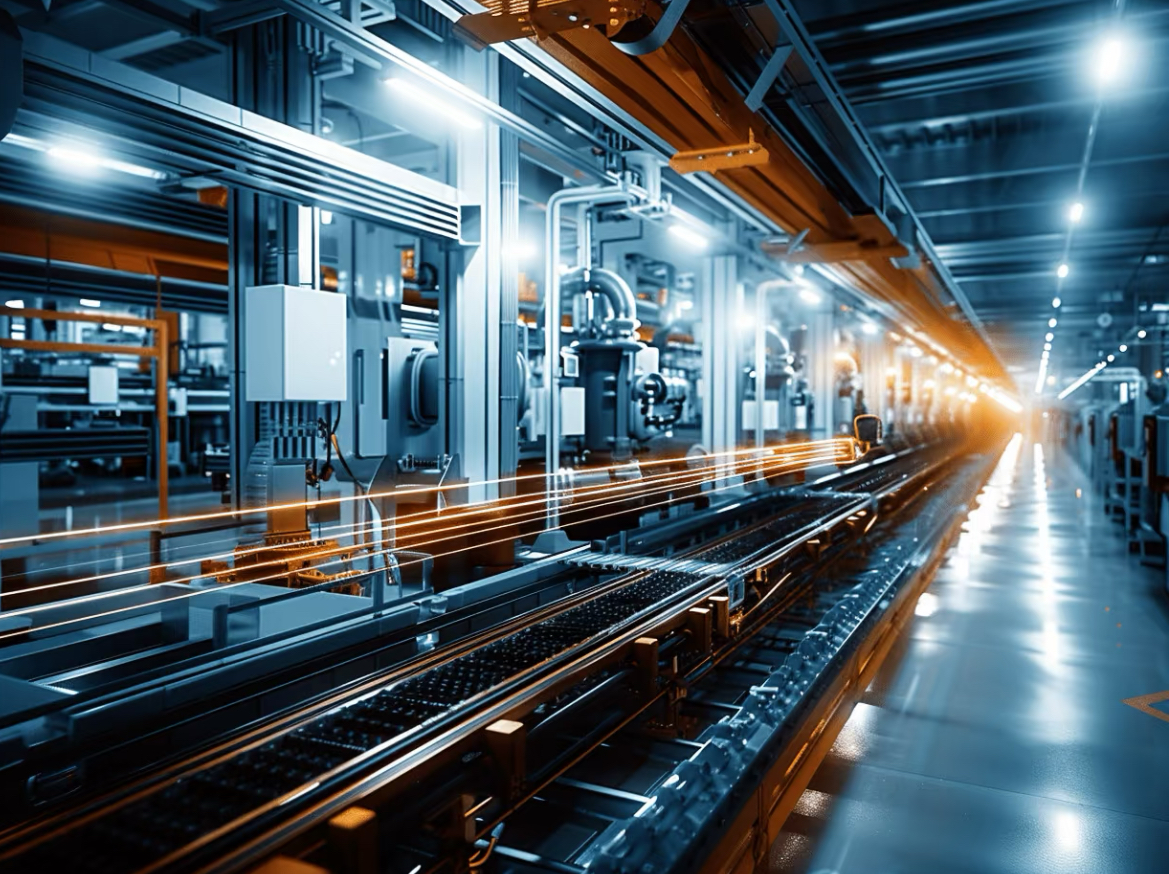
In an era where technology evolves at lightning speed, the bag manufacturing industry is undergoing a remarkable and transformative shift. Forward-thinking factories are increasingly adopting mechanized and intelligent systems to boost production efficiency, enhance product quality, and streamline operational processes. This technological evolution is not only improving factory output but also injecting new vitality into the global bag market.
Step inside a modern bag manufacturing facility, and you're greeted with the rhythmic hum of automation. In the production area, intelligent robotic arms are neatly aligned, efficiently managing material handling, stitching, and assembly work. These high-precision machines execute tasks with consistent accuracy, significantly reducing error margins and eliminating the inefficiencies often associated with manual labor.
Consider backpack production as an example. Previously, sewing a backpack strap required time-consuming manual labor, which often resulted in quality inconsistencies. Now, with the introduction of intelligent sewing machines, straps are attached to the backpack body with remarkable speed and uniformity. These machines are pre-programmed to maintain consistent stitch quality, ensuring structural integrity and enhancing the overall durability of the product.
In addition to stitching, automation extends to material logistics. At the material handling stage, AGVs (Automated Guided Vehicles) autonomously navigate the production floor, transporting pre-cut fabrics, zippers, and accessories to designated workstations. This not only reduces physical strain on workers but also minimizes human errors such as misplacement or material delays. Studies show that the implementation of AGVs has significantly shortened delivery times and decreased production downtime.
In wallet production, certain factories have gone a step further by developing proprietary automated forming systems. These innovative systems utilize advanced molding and thermal bonding technologies to precisely shape and assemble wallets. Machines equipped with vacuum suction and controlled heat pressing fold and bond leather components with high consistency, producing visually refined, structurally sound, and defect-free items in a fraction of the time.
To ensure only top-tier products reach the market, many factories have adopted smart quality inspection systems. These employ high-resolution cameras and advanced image recognition software to scrutinize each bag for seam accuracy, zipper functionality, and surface flaws. Defective items are automatically flagged and rerouted, enhancing inspection speed and improving quality assurance standards.
The benefits of mechanization are substantial. Increased productivity enables manufacturers to fulfill large-scale orders on tighter deadlines, giving them a competitive edge in the international market. Moreover, the heightened consistency in product quality helps build consumer trust and reinforces brand reputation. By reducing reliance on manual labor, automation also lowers operational costs and allows workers to transition into more skilled, value-added roles.
At Camei, we are proud to be at the forefront of this smart manufacturing revolution. Our factory is gradually integrating intelligent technologies across various production lines to enhance efficiency, innovation, and sustainability. Looking ahead, Camei remains committed to delivering cutting-edge, high-quality bag solutions powered by advanced automation and smart production systems.
✨ The future of bag manufacturing is smart, fast, and precise. Join us as Camei leads the way into a new era of intelligent production!
High-Quality Custom Shoulder Bags for Wholesale - CAMEI Manufacturer Direct Supply
Grain Rain: A Time When Spring Ends and Life Flourishes
Related Article